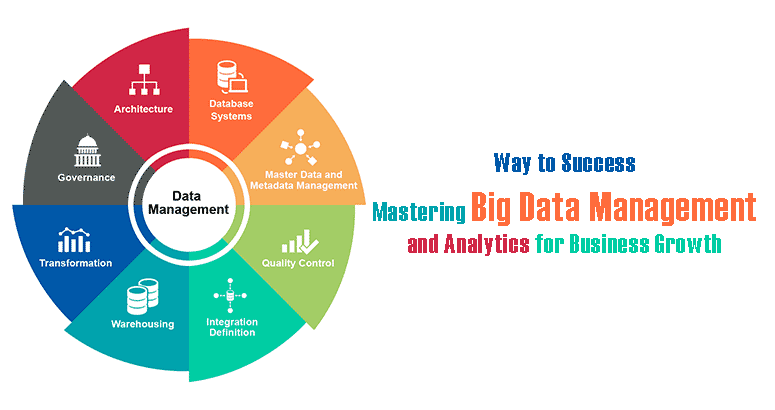
Remember, in this digital age, those who master big data management and analytics will thrive. So, dive into the world of big data, explore its vast possibilities, and unleash the true potential of your business. The big data jungle awaits—get ready to conquer it!
Welcome to the era of big data! In today’s digital landscape, the sheer volume and complexity of data have transformed the way we do business. Big data management is has emerged as a critical discipline to help organizations harness the potential of this data deluge. In this article, we’ll explore the exciting world of big data management and its impact on businesses. So, buckle up and get ready to navigate the big data jungle!
Keywords: big data management and analytics, big data and management, big data management software, data management big data, Big Data Analytics Technology and management, big data inventory management, big data management platform, big data analytics in management, big data and data management, big data in business management, big data analytics for managers.
Understanding Big Data and Management
Big data and management go hand in hand like bread and butter. Big data is refers to the massive amount of data generated from various sources such as social media, IoT devices, and transactional systems. On the other hand, big data management involves the strategies, processes, and tools to effectively collect, store, organize, and analyze this vast amount of data.
Reasons for the Importance of Understanding Big Data and Management:
- Informed decision making
- Operational efficiency
- Competitive advantage
- Risk mitigation
Examples of Big Data and Management in Practice:
- Personalized marketing
- Supply chain optimization
- Fraud detection
- Predictive maintenance
The Power of Big Data Management and Analytics
Big data management and analytics are the dynamic duo that unlocks the hidden potential of data. By employing advanced analytics techniques, businesses can extract valuable insights and make informed decisions. Imagine having the ability to analyze customer behavior patterns, predict market trends, and optimize operations through data-driven strategies. Big data management and analytics offer limitless possibilities for business growth and success.
Big Data Management Software: Taming the Data Beast
To tackle the complexities of big data, organizations rely on powerful big data management software. These tools provide the infrastructure and capabilities to handle large-scale data processing, data integration, and data governance. With user-friendly interfaces and advanced features, big data management software empowers businesses to navigate through the vast jungle of data with ease and efficiency.
Big Data Inventory Management: Taming the Data Chaos
In the realm of big data, keeping track of data assets can be a daunting task. Big data inventory management helps businesses maintain an organized and structured inventory of their data resources. From data lineage and metadata management to data cataloging and data access controls, effective inventory management ensures that data is easily discoverable and accessible when needed.
Big Data Management Platform: Your Data Control Center
A robust big data management platform acts as a centralized hub for data management activities. It provides a unified interface to manage data ingestion, data storage, data transformation, and data analytics. With a well-designed management platform, businesses can streamline their data workflows, enhance collaboration among teams, and unleash the full potential of their big data initiatives.
Big Data Analytics in Management: Empowering Decision-Making
Gone are the days of relying solely on gut instincts for decision-making. Big data analytics has become an indispensable tool for managers in all industries. By leveraging big data analytics, managers gain valuable insights into market trends, customer preferences, and operational efficiencies. These insights enable data-driven decision-making, fostering innovation and driving business growth.
Big Data and Data Management: A Symbiotic Relationship
Big data and data management go hand in hand. While big data provides a treasure trove of information, effective data management ensures that this data is properly stored, organized, and analyzed. It ensures data quality, security, and compliance, enabling businesses to derive meaningful insights from big data. The symbiotic relationship between big data and data management is the key to unlocking its true value.
Big Data in Business Management: A Game-Changer
The integration of big data analytics into business management practices has revolutionized the way organizations operate. From supply chain optimization and customer segmentation to predictive maintenance and risk analysis, big data analytics has become a game-changer in various aspects of business management. With the ability to analyze vast amounts of data in real-time, businesses can make data-driven decisions, identify new market opportunities, and gain a competitive edge.
Big Data Analytics for Managers: Empowering Leadership
In the era of big data, managers need to embrace analytics as a core competency. Big data analytics equips managers with the tools and insights to navigate the complexities of the business landscape. It enables them to identify patterns, detect anomalies, and uncover hidden correlations within their data. Armed with this knowledge, managers can make informed decisions that drive business growth and innovation.
Big Data Management Platform
In the ever-evolving world of data madness, organizations are knee-deep in a tidal wave of info crashing in from all angles. Big data, the unsung hero of decision-making brilliance, takes the spotlight, but taming, processing, and squeezing insights from these data oceans ain’t a walk in the park. That’s where Big Data Management Platforms step in, the silent warriors giving businesses the keys to unlock the full potential of their data.
Cracking the Code: Why Big Data Management Platforms Rule the Roost
1. Dealing with the Three Vs: Volume, Velocity, and Variety
Big data’s got that triple threat—volume, velocity, and variety—that sets it apart from the same-old datasets. Big Data Management Platforms? They’re the champs at handling these bad boys, offering a solid setup for organizations to whip through heaps of data like it’s nobody’s business.
2. Mix and Match with Ease: Seamless Integration of Wildly Diverse Data
Here’s the kicker: these platforms are wizards at making data from all corners play nice together. Whether it’s the straight-laced kind, the wild and unruly type, or something in between, big data management platforms create a united front, smashing silos and sparking teamwork.
3. Power Moves: High-Volume Processing and Analytics
Think distributed computing, parallel processing, machine learning, and AI—these platforms roll with the big guns. They make high-volume processing and analytics a piece of cake, giving organizations the edge to squeeze out real-time gold from their data.
4. Quality Control: Making Data Shine and Sparkle
Getting data all dolled up is serious business. Big data management platforms make sure the pre-game includes data prep, cleansing, enrichment, and blending—keeping the quality top-notch. It’s the secret sauce for organizations to trust their data and drop those game-changing decisions.
5. Lights, Camera, Action: Visualization, Exploration, and Discovery
Data is the rockstar, but it needs a stage. Big data platforms hand users killer tools for data visualization, exploration, and discovery. Turning raw data into insights that pack a punch? That’s the name of the game, fostering team communication that’s as smooth as butter.
The Big Data Landscape: Platforms at a Glance
As organizations delve into the realm of big data, a myriad of platforms vie for attention. Let’s explore some notable contenders that have carved their niche in the market.
1. Microsoft Azure: The Cloud Powerhouse
Microsoft Azure stands tall as a cloud-based platform offering a suite of big data services. From Azure Data Lake to Azure Synapse Analytics, Azure Databricks, HDInsight, and Machine Learning, it provides a comprehensive ecosystem for organizations to scale their data initiatives on the cloud seamlessly.
2. Cloudera: The Hybrid Cloud Maestro
For those seeking a hybrid cloud solution, Cloudera emerges as a formidable choice. Its enterprise data cloud seamlessly integrates data engineering, warehousing, science, and analytics capabilities, offering a holistic approach to managing and deriving insights from big data.
3. Sisense: Cloud-Native Brilliance
Sisense takes a cloud-native approach, enabling data teams to build, embed, and deploy analytics solutions effortlessly. With a low-code approach and an AI-powered engine, Sisense empowers organizations to drive innovation through data-driven decision-making.
4. Collibra: The Data Intelligence Hub
Collibra takes center stage as a data intelligence platform, providing organizations with the tools to find, understand, and trust their data. Through robust features like data governance, cataloging, lineage, and privacy controls, Collibra ensures that data becomes a strategic asset rather than a liability.
5. Tableau: Visualization Excellence
Tableau, a stalwart in the data visualization space, empowers users to create interactive dashboards and reports effortlessly. With drag-and-drop functionality and natural language processing, Tableau makes data storytelling accessible to everyone in the organization.
The Challenges of Big Data Management
In the era of information abundance, businesses face a daunting task in managing the sheer volume, velocity, and variety of data. Big data platforms have become indispensable, yet they grapple with multifaceted challenges that demand strategic solutions. Let’s dissect the hurdles and unveil the secrets to effective big data management.
1. Managing the Data Deluge
The first hurdle in the realm of big data is handling the colossal amounts of information flooding into systems. Storage, processing, and integration hurdles loom large, necessitating platforms that can seamlessly navigate these complexities.
2. Ensuring Data Quality
Accurate, complete, consistent, and reliable—these are the benchmarks for data quality in the big data landscape. Platforms must go beyond mere accumulation, ensuring that the data collected and analyzed meet the highest standards of precision and reliability.
3. Securing and Governing Data
The value of data amplifies when it’s safeguarded against unauthorized access, misuse, or loss. Big data platforms must not only be robust in their security measures but also align with regulatory frameworks, ensuring compliance with data protection policies.
4. Choosing the Right Tools and Technologies
The array of software frameworks, services, and solutions available for big data can be overwhelming. The challenge lies in selecting tools that align with business goals, use cases, and diverse data types. The right choices propel the platform toward success; the wrong ones hinder progress.
Choosing the Perfect Big Data Platform: A Strategic Approach
1. Defining Business Requirements
Embarking on the big data journey requires a clear understanding of your business goals, problems, and opportunities. Define the outcomes and benefits you expect from your data platform, laying the foundation for a tailored solution.
2. Understanding Data Sources and Types
Identify the diverse data sources and formats integral to your operations. Acknowledge potential challenges in data quality and integration, preparing your platform to seamlessly handle the intricacies of your data ecosystem.
3. Catering to Data Users and Consumers
Consider the human element in data utilization. Understand the roles, needs, and levels of data literacy and skills of those interacting with your platform. A user-centric approach ensures optimal utilization and value extraction.
4. Crafting the Right Platform Architecture
The architectural decisions for your big data platform—whether it’s a data warehouse, data lake, data lakehouse, or a data mesh—should align with your business objectives. Tailor the structure to accommodate current needs while allowing for scalability and flexibility.
5. Evaluating Platform Providers and Vendors
Navigate the landscape of big data service providers and vendors, comparing features, capabilities, and costs. Whether opting for a cloud or on-prem solution, choose a partner that complements your vision and offers the scalability required for future growth.
Conclusion
In today’s data-driven world, big data management is a vital discipline for businesses seeking success. By effectively collecting, organizing, and analyzing big data, organizations can unlock valuable insights that fuel growth, improve operational efficiency, and drive innovation. The powerful combination of big data analytics and management provides businesses with a competitive advantage, allowing them to stay ahead in a rapidly evolving market.
So, embrace the big data jungle and leverage the power of big data management and analytics. Invest in robust big data management software, tame the data chaos with inventory management, and establish a centralized data control center with a comprehensive management platform. Empower your decision-making with big data analytics and let data guide your business strategies.